
The VERIGENE® Blood Culture & Gram-Negative PCR Panel is a sophisticated diagnostic tool designed for the rapid identification of gram-negative bacterial pathogens directly from positive blood cultures. This technology plays a crucial role in diagnosing sepsis and other serious infections, allowing healthcare providers to act quickly in life-threatening situations. The quality control (QC) of such diagnostic panels is paramount in ensuring accuracy and reliability, particularly in clinical laboratories.
The Importance of Blood Cultures in Gram-Negative Infections
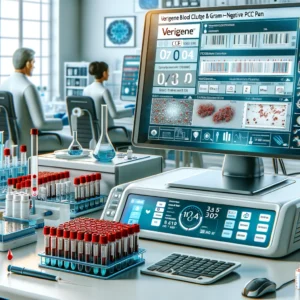
Blood cultures remain a key method for detecting bloodstream infections caused by gram-negative bacteria, which are often responsible for severe infections in hospital settings. Traditional culture methods take time, which can delay the initiation of appropriate therapy. The Centers for Disease Control and Prevention (CDC) emphasizes the importance of early and accurate diagnosis of bloodstream infections to improve patient outcomes. The VERIGENE® system offers a faster turnaround time for identifying gram-negative bacteria, thus improving the speed of appropriate therapeutic interventions.
Role of PCR in the VERIGENE® System
The VERIGENE® panel uses polymerase chain reaction (PCR) technology to detect bacterial DNA directly from positive blood cultures. PCR amplification allows for the rapid identification of specific pathogens, reducing the time needed to start targeted treatment. According to the National Institutes of Health (NIH), PCR methods are widely regarded as the gold standard for molecular diagnostics in infectious diseases. The technology behind VERIGENE® significantly shortens the time to diagnosis compared to conventional methods.
Quality Control in Diagnostic Testing
Quality control is crucial in maintaining the accuracy of the VERIGENE® system. Clinical labs must adhere to stringent QC protocols to verify that the diagnostic tool consistently detects the targeted gram-negative pathogens. The Food and Drug Administration (FDA) regulates in vitro diagnostics, including systems like VERIGENE®, to ensure they meet safety and performance standards. Moreover, the Clinical and Laboratory Standards Institute (CLSI) provides detailed guidelines for laboratories to follow in implementing and maintaining quality control.
Pathogens Detected by the VERIGENE® Gram-Negative PCR Panel
The VERIGENE® panel is designed to detect a variety of clinically significant gram-negative bacteria, including Escherichia coli, Klebsiella pneumoniae, and Pseudomonas aeruginosa. Infections caused by these pathogens are associated with significant morbidity and mortality, especially in healthcare settings. The National Library of Medicine (NLM) offers numerous resources on the prevalence and treatment of gram-negative bacterial infections, underscoring the importance of rapid and accurate detection.
Regulatory and Quality Control Guidelines

Proper QC measures are essential for maintaining the reliability of diagnostic systems. The U.S. Department of Health and Human Services (HHS) provides guidelines on laboratory best practices, including the use of control materials to validate test results. Regular validation ensures that diagnostic results are consistent and accurate, preventing errors that could have serious clinical consequences.
Applications in Antimicrobial Stewardship
The rapid identification of gram-negative pathogens through the VERIGENE® system supports antimicrobial stewardship programs by helping to reduce the inappropriate use of broad-spectrum antibiotics. According to the Infectious Diseases Society of America (IDSA), antimicrobial stewardship is critical for preventing the emergence of antibiotic resistance, a major public health concern. Quality control in systems like VERIGENE® ensures that healthcare providers can trust the results when deciding on targeted therapies.
Public Health Implications
Gram-negative bacterial infections are a growing concern, particularly due to the rise of multidrug-resistant strains. The World Health Organization (WHO) and the CDC have identified antimicrobial resistance in gram-negative bacteria as a significant threat to public health. The VERIGENE® system, backed by stringent quality control, is a critical tool in detecting these pathogens and aiding in the appropriate management of infections.
Benefits of Rapid Pathogen Detection
By rapidly identifying gram-negative pathogens, the VERIGENE® system shortens the time to appropriate antibiotic therapy, which is vital in managing infections that can escalate to sepsis. The National Institute of Allergy and Infectious Diseases (NIAID) highlights that early intervention in sepsis cases can save lives, making rapid diagnostic tools like VERIGENE® an indispensable part of modern medical practice.

Conclusion
The VERIGENE® Blood Culture & Gram-Negative PCR Panel offers a reliable and rapid method for identifying serious gram-negative bacterial infections, supported by rigorous quality control measures. By ensuring accuracy through well-established QC protocols, clinical laboratories can trust the results produced by this system. The integration of PCR technology in diagnostics, combined with robust regulatory oversight by the FDA, ensures that systems like VERIGENE® contribute effectively to improved patient outcomes and support global efforts in infection control.